Are diapers HSA eligible?
Many parents ask this question when they manage baby costs. Diapers are necessary, but HSA rules can be confusing and may cause unexpected expenses. Diapers are usually not HSA eligible because the IRS considers regular diapers as general baby care
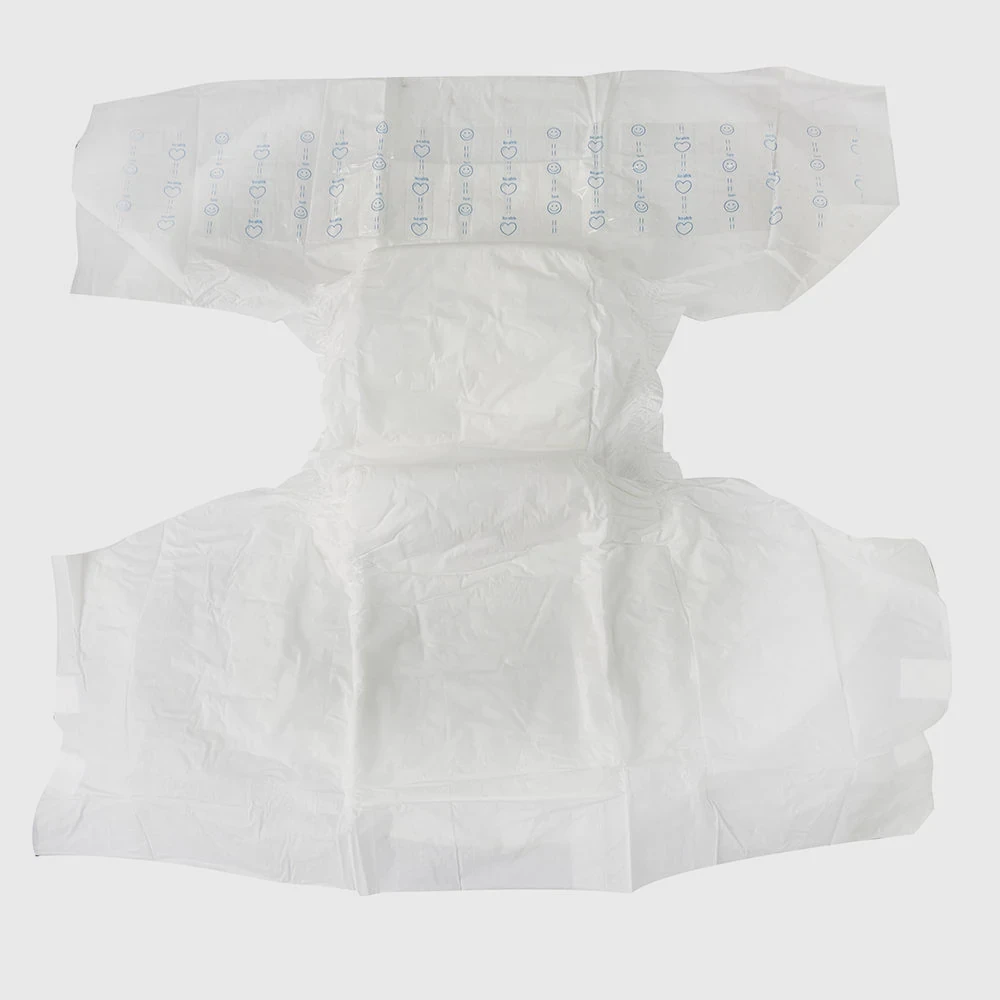
Many parents ask this question when they manage baby costs. Diapers are necessary, but HSA rules can be confusing and may cause unexpected expenses.
Diapers are usually not HSA eligible because the IRS considers regular diapers as general baby care products. However, some diaper-related products may qualify when they are used for a specific medical purpose.
Understanding HSA rules helps parents make better choices and avoid rejected purchases. This article explains which diaper products may qualify, why regular diapers usually do not qualify, and what baby products can be purchased with HSA funds.
Which diaper products qualify for HSA funds?
Parents often look at diapers as a basic health product because diapers protect babies from discomfort and skin problems. However, HSA rules focus on medical needs instead of daily childcare needs.
Some diaper products can qualify for HSA funds when a doctor recommends them for a specific medical condition. These products usually need to support treatment, prevention, or management of a health issue.
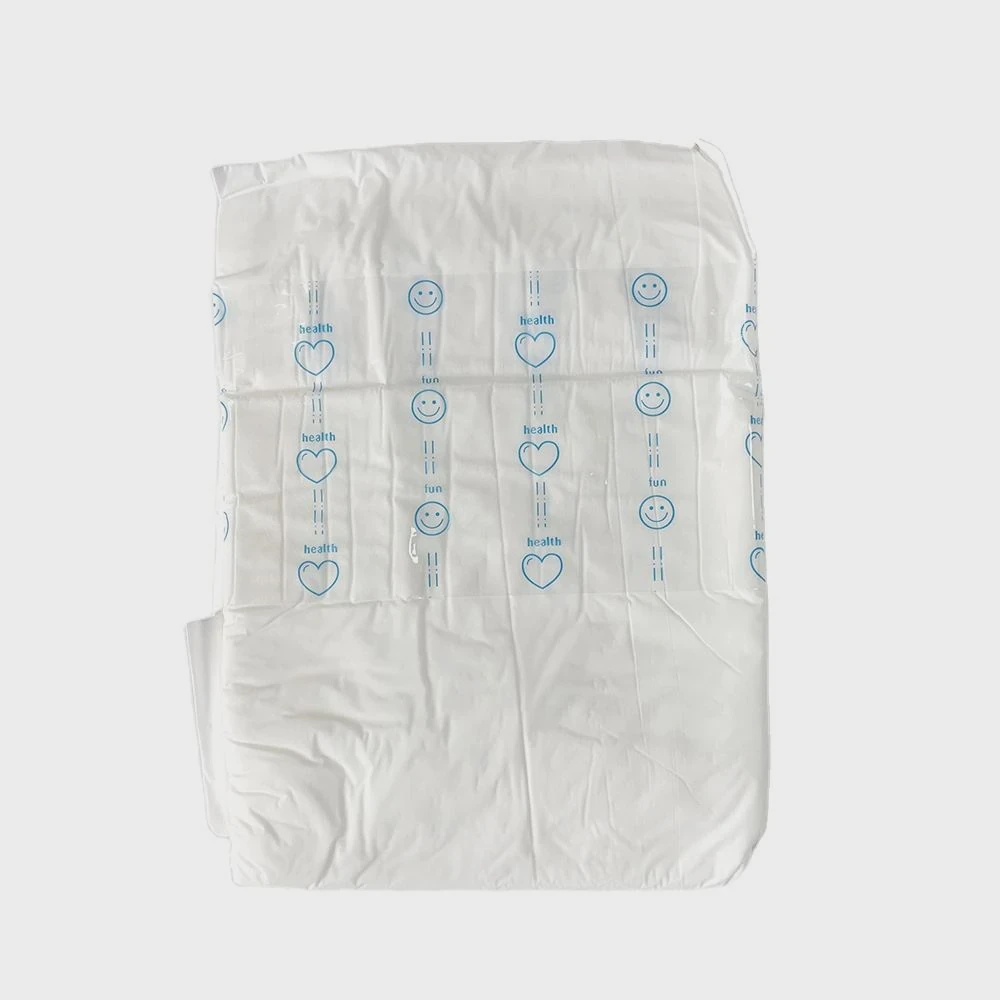
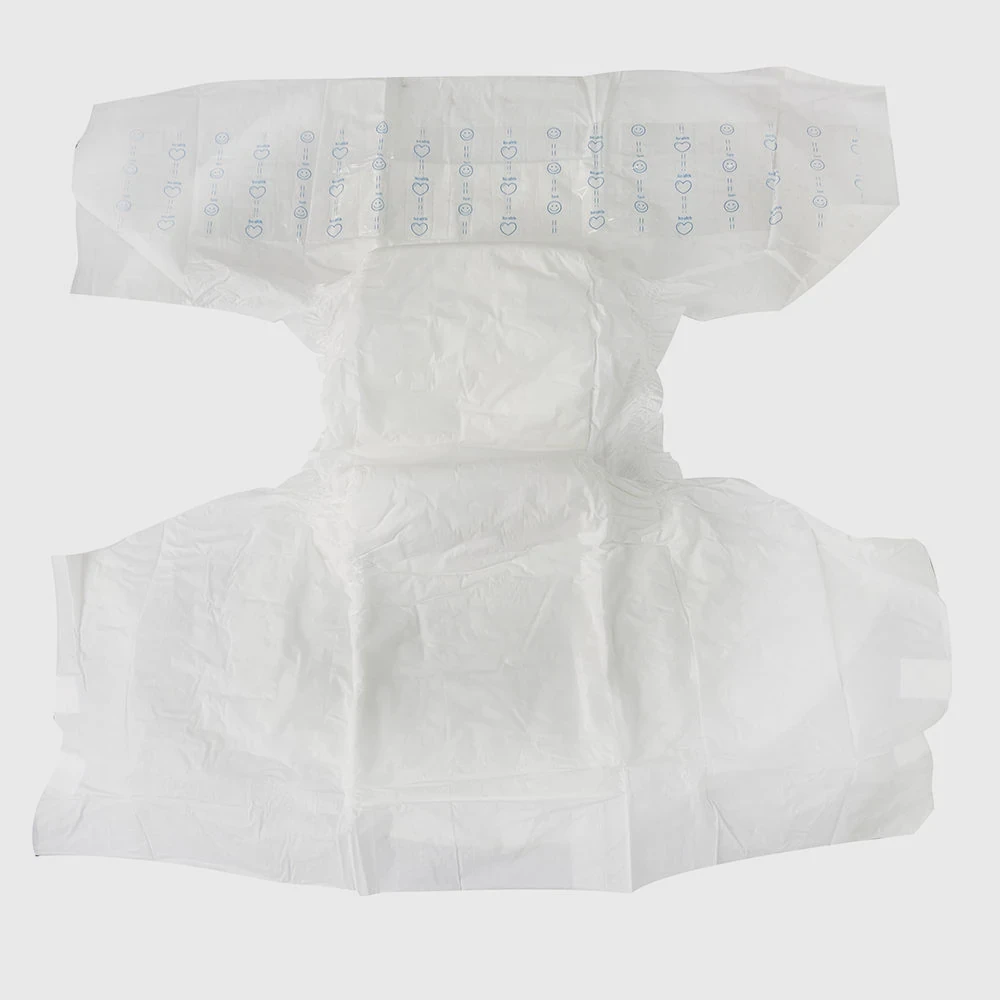
The diaper products that may qualify for HSA funds are usually connected with a medical condition. Regular baby diapers are designed for everyday use, but medical diapers have a different purpose. They help manage conditions that require special protection or care.
For example, some children or adults may need special absorbent products because of bladder control problems, developmental conditions, or medical treatments. In these cases, the product may be considered a medical expense when proper documentation exists.
Medical need is the key factor
The main difference between eligible and non-eligible diaper products is the reason for purchase. A product does not become HSA eligible only because it is used on the body or helps with hygiene.
| Product type | Possible HSA eligibility | Main reason |
|---|---|---|
| Regular baby diapers | Usually not eligible | General childcare expense |
| Medical incontinence products | May be eligible | Used for medical conditions |
| Prescription-related absorbent products | May be eligible | Connected to treatment needs |
| Baby wipes | Usually not eligible | General hygiene product |
I have seen many buyers confuse comfort, softness, and safety features with medical eligibility. A diaper can have advanced materials, better absorption, or premium designs, but those features do not automatically make the product HSA eligible.
Documentation can support a claim
Parents who want to use HSA funds for special diaper products should keep records. A doctor’s recommendation can explain why the product is medically necessary. Receipts and medical documents can help support the purchase if questions appear later.
The process is different from normal shopping because HSA accounts are designed for qualified medical expenses. The account provider may review the purchase and request additional information.
Manufacturers and suppliers also need to understand this difference. A diaper company can produce safe and high-quality products, but product quality alone does not decide HSA eligibility. The medical purpose and IRS guidelines are the important factors.
Can you buy diapers with an HSA account?
Many parents want to use HSA money for diapers because diaper costs can become a large family expense. A newborn can use thousands of diapers before toilet training, so families naturally look for ways to reduce costs.
The simple answer is that most parents cannot use HSA funds for normal baby diapers. HSA accounts generally do not cover common childcare products that every baby needs.
HSA accounts allow people to pay for qualified medical expenses with tax advantages. The purpose of the account is to support healthcare costs, not normal living costs. Regular diapers are considered part of normal childcare spending.
Why parents expect diapers to qualify
Parents often believe diapers should qualify because diapers are related to health and cleanliness. Diapers prevent wetness, reduce irritation, and help maintain hygiene. These benefits are real, but the HSA system uses a stricter definition.
A product usually needs to treat or prevent a medical condition to qualify. Basic daily care products normally do not meet this standard.
| Expense | HSA eligibility | Example |
|---|---|---|
| Baby diapers | No in most cases | Daily diaper changes |
| Adult medical incontinence supplies | Sometimes yes | Doctor-recommended use |
| Baby thermometer | Often yes | Checking body temperature |
| Breast pump | Often yes | Medical and infant feeding support |
Parents should check before purchasing
I always recommend checking the specific rules from the HSA provider before using account funds. Different providers may have different claim processes, but they all follow federal requirements for qualified expenses.
A rejected claim can create extra work. A parent may need to repay the amount or provide more information. Checking first can save time and prevent problems.
Some parents also confuse HSA accounts with other benefit programs. A flexible spending account or employer benefit program may have different rules. Each program has its own list of approved expenses.
Medical diapers create a different situation
The situation changes when diapers are used because of a medical condition. For example, an adult with incontinence caused by illness may need specialized products. A child with certain medical needs may also require special absorbent products.
In these cases, the purchase is connected to healthcare instead of normal baby care. The medical reason becomes the important point.
Parents and caregivers should focus on the purpose behind the purchase. The same type of product may have different treatment under HSA rules depending on why someone needs it.
Why are regular diapers not HSA eligible?
Regular diapers are not HSA eligible because they are viewed as ordinary personal care items. The IRS separates medical expenses from common family expenses, and normal diapers fall into the second category.
Every baby needs diapers during early development. Because diapers are a normal part of raising a child, they are generally treated like clothing, food, and other daily necessities.
The HSA system focuses on healthcare services and products that address specific medical needs. Regular diapers provide important support, but they do not usually diagnose, treat, or manage a medical condition.
The difference between health support and medical treatment
A product can improve health without being a qualified medical expense. This difference creates confusion for many families.
For example, a regular diaper helps keep a baby dry. A dry environment can support healthy skin. However, the diaper itself is still a basic childcare product because it serves a normal daily purpose.
A medical product has a different role. It usually exists because a person has a condition that requires special care.
Common reasons regular diapers are excluded
Regular diapers are excluded for several reasons:
- They are used by most babies.
- They are part of normal childcare.
- They do not require a medical diagnosis.
- They provide general hygiene instead of medical treatment.
This rule helps keep HSA programs focused on healthcare needs. If every common baby product became eligible, the purpose of the account would become unclear.
Product features do not change the category
Many modern diapers include features such as:
- Extra absorbency
- Organic materials
- Hypoallergenic layers
- Premium softness
- Special designs
These features can improve the user experience, but they do not normally change the HSA classification.
A high-end diaper is still usually a regular diaper. A product needs a medical connection, not only better performance.
Understanding the market view
As a hygiene product manufacturer, I understand why families ask this question. Parents want safe products for their children, and they want affordable ways to manage growing expenses.
The diaper industry continues to improve materials, comfort, and safety standards. However, product innovation and tax eligibility are two different areas.
| Factor | Regular diapers | Medical absorbent products |
|---|---|---|
| Main purpose | Daily childcare | Medical support |
| Common users | Babies and toddlers | People with medical needs |
| HSA status | Usually not eligible | May be eligible |
| Medical documentation | Usually not required | Often important |
What baby products are HSA eligible?
Parents often search for baby products that can be purchased with HSA funds because healthcare costs can grow quickly. While diapers usually do not qualify, some baby-related products may qualify when they have a direct healthcare purpose.
The important question is not whether the product is for a baby. The important question is whether the product is a qualified medical expense.
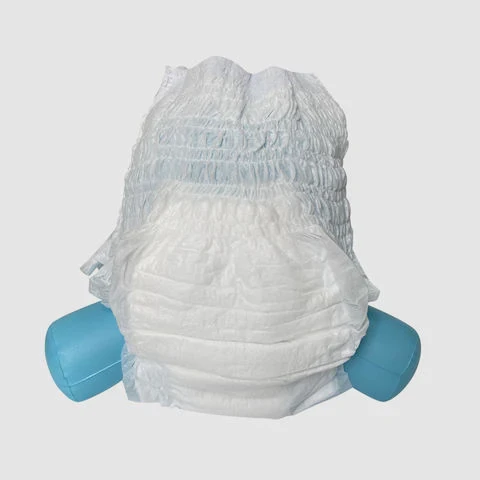
Some baby products support medical care, monitoring, or treatment. These products are different from normal childcare items because they have a clear health purpose.
Examples of possible eligible baby products
Some commonly eligible baby-related products may include:
| Baby product | Why it may qualify |
|---|---|
| Thermometers | Used for medical monitoring |
| Breast pumps | Supports breastfeeding and infant nutrition |
| Certain medical supplies | Used for treatment or care |
| Doctor-recommended equipment | Supports a specific health need |
Parents should remember that eligibility depends on current rules and personal situations. A product that helps with comfort or convenience may not qualify.
Products that usually do not qualify
Many popular baby products are important but are not usually HSA eligible.
Examples include:
- Regular diapers
- Baby wipes
- Baby clothing
- Baby formula in most situations
- Toys
- General skincare products
These products support daily life, but they are not usually considered medical expenses.
Medical advice can change eligibility
A doctor’s recommendation can be important when a baby has a specific medical need. Some products that are not normally eligible may become eligible when they are required to treat a condition.
The reason for purchase creates the difference. A general baby item and a medically required item may look similar, but their purpose is different.
Parents can plan healthcare spending better
I believe parents can reduce financial stress by learning these rules before making purchases. A clear understanding of HSA eligibility helps families create better budgets.
Parents can separate expenses into two groups:
- Normal childcare costs.
- Qualified healthcare costs.
This simple approach makes it easier to manage family spending. It also helps parents use HSA funds correctly and avoid unexpected issues.
The baby product market includes many useful products, but not every useful product is a medical expense. Careful planning helps families make better financial decisions while still choosing safe and reliable products for their children.
Conclusion
Regular diapers are usually not HSA eligible because they are considered normal childcare products. Medical absorbent products may qualify when they support a specific health need. Parents should always check HSA rules before using funds.
Ready to Compare Factory Options?
Send your product specs, sample plan and OEM packaging requirements.
Related Articles
Who makes Kirkland diapers?
16 July, 2026
Are diapers HSA eligible?
16 July, 2026
How Often to Change Newborn Diaper?
16 May, 2026