How Often to Change Newborn Diaper?
Newborns have delicate skin that needs constant care. Dirty diapers can quickly cause discomfort or rashes. Changing a newborn’s diaper frequently is essential to keep the baby comfortable and healthy. Most newborns require a diaper change every 2
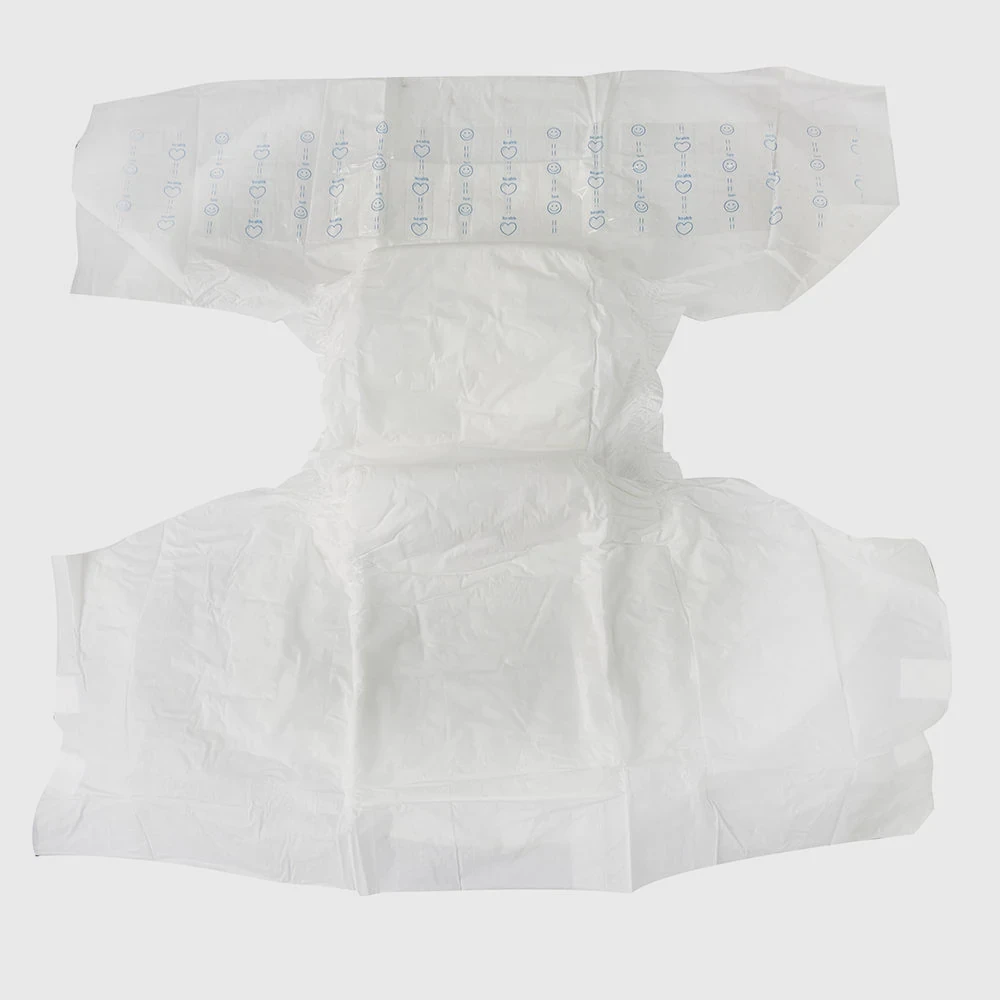
Newborns have delicate skin that needs constant care. Dirty diapers can quickly cause discomfort or rashes.
Changing a newborn’s diaper frequently is essential to keep the baby comfortable and healthy. Most newborns require a diaper change every 2 to 3 hours or whenever the diaper is wet or soiled.
Proper timing and attention can reduce skin problems and make parenting easier. Let’s explore the key factors.
What signs indicate a diaper change is needed?
New parents often wonder how to tell when a diaper truly needs changing. Waiting too long can harm a newborn’s sensitive skin.
A diaper needs changing when it is visibly wet, soiled, or the baby shows signs of discomfort like fussiness or redness.

Key Signs to Watch
- Wetness: Most diapers have color-changing indicators. If it changes, it’s time for a change.
- Odor: A noticeable smell indicates bowel movement, which must be cleaned promptly.
- Skin redness or irritation: Even slight redness suggests moisture is trapped and needs attention.
- Baby’s behavior: Squirming, crying, or fussing often signals discomfort.
Monitoring Frequency
Tracking the baby’s feeding and sleeping schedule helps anticipate diaper changes. For instance, after each feeding, check the diaper.
| Time of Day | Typical Change Frequency | Notes |
|---|---|---|
| Morning | 1–2 times | After first feeding and nap |
| Daytime | Every 2–3 hours | Includes after each feed |
| Nighttime | 1–2 times | If the baby wakes or diaper is wet |
Observing these signs prevents prolonged exposure to wetness, reducing the chance of skin irritation and diaper rash.
How can frequent changes prevent diaper rash?
Diaper rash develops when skin stays wet, irritated, or exposed to bacteria for too long. Many parents struggle with persistent rashes.
Changing diapers frequently keeps the skin dry and reduces friction, which lowers the risk of developing diaper rash.
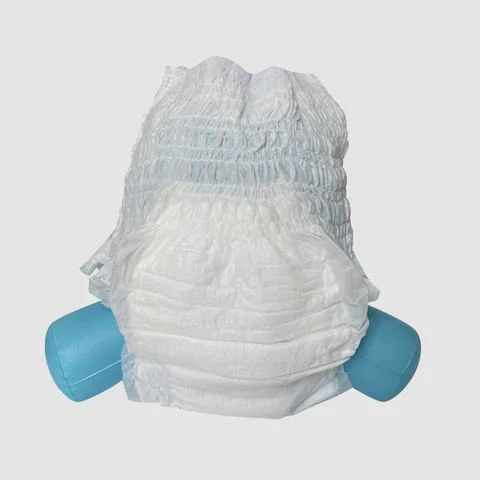
Understanding Diaper Rash
Diaper rash occurs when moisture, urine, or stool irritates sensitive newborn skin. It can appear as redness, bumps, or small sores.
How Frequent Changes Help
- Reduces Moisture Contact: Constantly removing wet diapers prevents prolonged skin exposure.
- Limits Bacteria Growth: Changing soiled diapers quickly stops bacteria from multiplying on the skin.
- Minimizes Friction: Clean, dry diapers reduce rubbing that can damage delicate skin.
Practical Tips
- Barrier Creams: Use a thin layer of zinc oxide cream to protect skin before putting on a fresh diaper.
- Air Time: Let the baby’s skin breathe for a few minutes during changes.
- Proper Fit: Ensure diapers are snug but not too tight to avoid chafing.
| Rash Type | Cause | Prevention Tip |
|---|---|---|
| Redness | Moisture contact | Frequent diaper changes |
| Bumps | Friction | Properly fitted diapers |
| Irritation | Bacteria | Use barrier cream |
Frequent changes are the simplest and most effective way to prevent diaper rash before it develops.
When should nighttime diaper changes be prioritized?
Many parents are unsure if waking a newborn for nighttime changes is necessary. Sleep disruption is a concern.
Nighttime changes should be prioritized if the diaper is very wet or soiled, as leaving it on can cause severe irritation or rash.
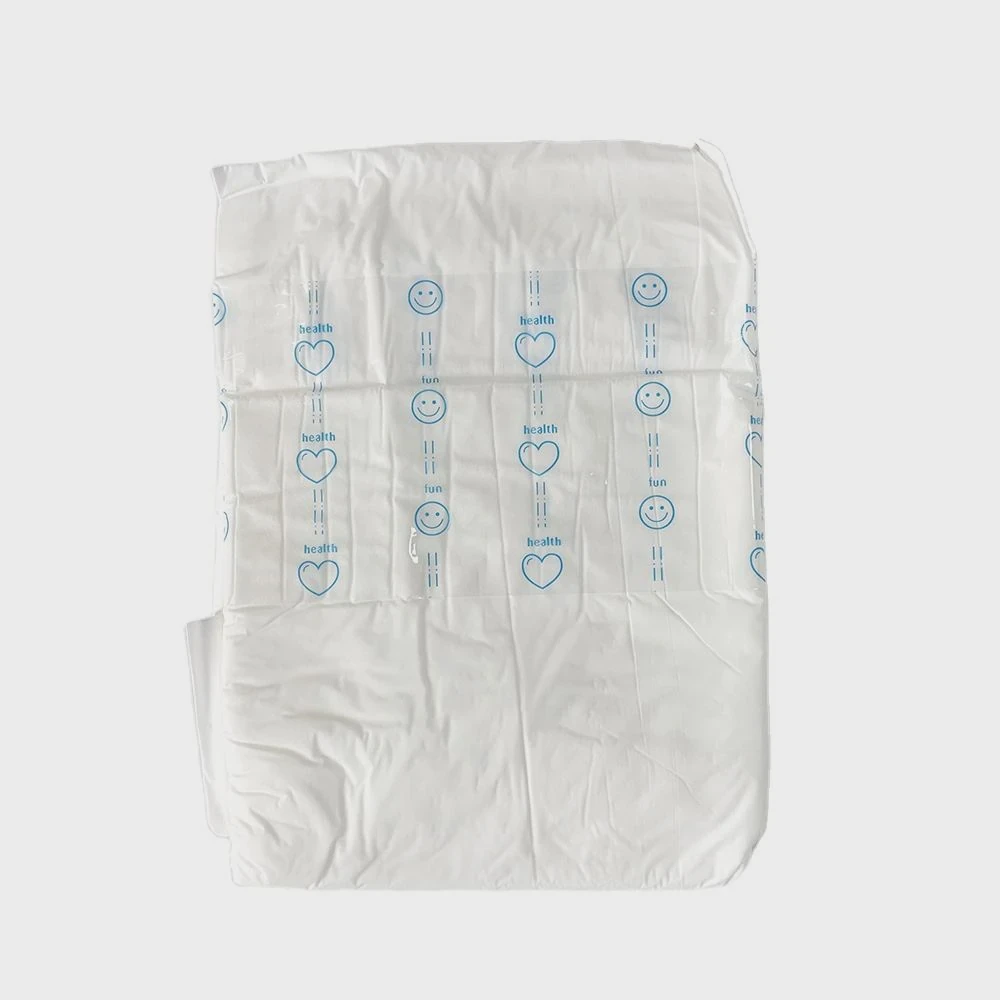
Nighttime Strategy
- Check Before Long Sleep: Babies often sleep 3–4 hours at a stretch. Check diapers before sleep to minimize risk.
- Use Overnight Diapers: Extra-absorbent diapers reduce the need for waking during the night.
- Respond to Crying: If the baby wakes and fusses, check for wetness or discomfort.
Benefits of Strategic Nighttime Changes
- Protects delicate skin from prolonged moisture.
- Reduces the chance of bacterial infections.
- Helps the baby sleep better by maintaining comfort.
Suggested Nighttime Routine
- Change diaper right before bedtime.
- Apply barrier cream if skin is sensitive.
- Consider using an overnight diaper.
- Avoid waking baby unless diaper is very wet or soiled.
Prioritizing changes at critical points at night balances skin health and sleep quality.
Which products help make diaper changes easier?
Diaper changes can be stressful without the right tools. Parents often feel rushed or frustrated without proper supplies.
Products like disposable wipes, diaper cream, changing mats, and wet bags make changing diapers faster, cleaner, and safer for both baby and parent.
Essential Products
- Disposable Wipes: Gentle on sensitive skin and quick to use.
- Barrier Creams: Prevents rashes and protects skin.
- Changing Mats: Provides a clean, flat surface for diaper changes anywhere.
- Wet Bags: Stores soiled diapers safely while on the go.
Optional Tools
- Diaper Caddies: Organize all items in one place for efficiency.
- Diaper Sprays: Helps remove stubborn residue from cloth diapers.
- Overnight Diapers: Extra absorbent for longer stretches.
How Products Improve Experience
- Save time and reduce mess during changes.
- Maintain hygiene by keeping items organized and accessible.
- Protect baby’s skin and avoid unnecessary irritation.
Comparison Table
| Product | Purpose | Key Benefit |
|---|---|---|
| Wipes | Cleaning | Gentle and fast |
| Barrier Cream | Skin protection | Prevents rashes |
| Changing Mat | Hygiene | Clean surface anywhere |
| Wet Bag | Storage | Safe transport for soiled diapers |
With the right products, diaper changes become simpler, faster, and safer. A well-prepared station reduces stress for both the baby and caregiver.
Conclusion
Changing newborn diapers frequently is essential for comfort, hygiene, and skin health. Recognizing signs, using proper products, and planning nighttime changes keep babies happy and prevent issues.
Ready to Compare Factory Options?
Send your product specs, sample plan and OEM packaging requirements.
Related Articles
Who makes Kirkland diapers?
16 July, 2026
Are diapers HSA eligible?
16 July, 2026
How Often to Change Newborn Diaper?
16 May, 2026